I’ve been working in residential home cleaning for a little over ten years, mostly in lived-in houses where people juggle kids, pets, work, and the slow accumulation of everyday mess. I didn’t come into this line of work thinking I’d have strong opinions about cleaning, but experience tends to do that to you. While doing hands-on work with Fab Clean House Cleaning, I started to notice clear patterns—what actually improves how a space feels to live in, and what only looks good for a day or two.
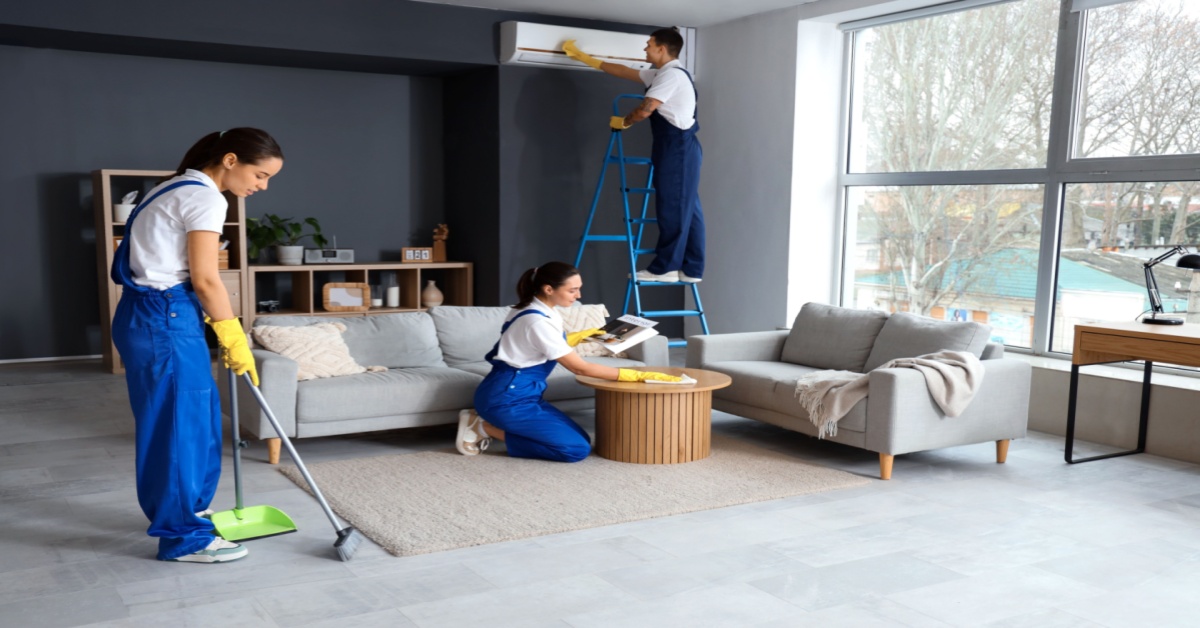
One of the first lessons I learned came early in my career, on a job that looked easy on paper. The house was tidy, surfaces cleared, no obvious dirt. Halfway through, the homeowner mentioned their allergies had been acting up for months. As we worked, we pulled furniture away from walls and found thick dust buildup along baseboards and vents that hadn’t been touched in years. The place wasn’t dirty in the way people imagine dirt, but it wasn’t clean either. After we finished, the client called a week later—not to comment on shine or scent, but to say they’d been sleeping better. That stuck with me.
Home cleaning lives in that gap between appearance and function. Anyone can wipe a counter. Fewer people know where grime actually hides or how habits inside a house quietly undo surface-level cleaning. Kitchens are a perfect example. I’ve lost count of how many homes had spotless sinks and greasy cabinet handles right above them. Cooking oils aerosolize. They settle on upper cabinets, light fixtures, and fridge tops. If those areas are skipped, the kitchen never truly resets, no matter how often the counters are wiped.
Bathrooms tell similar stories. I once cleaned a home where the shower looked fine from a distance, but the grout near the drain had softened from constant moisture and leftover product residue. The homeowner was scrubbing harder every week, which only made it worse. We switched to gentler agitation and addressed ventilation instead. A few months later, the grout held up and the bathroom stopped smelling damp. Cleaning sometimes means knowing when not to scrub.
Over time, I’ve learned to be honest with clients about what helps and what doesn’t. Daily wipe-downs are useful, but they don’t replace periodic deep cleaning. On the other hand, obsessing over deep cleans while ignoring daily habits creates a cycle where nothing ever feels finished. Shoes worn indoors, pets sleeping on furniture without washable covers, and cluttered entryways all multiply cleaning time. I’ve seen homes where one small change—like a tray for mail instead of stacks on the counter—cut cleaning time noticeably.
One common mistake I still encounter is the belief that stronger products equal better results. I’ve walked into homes with the sharp smell of bleach lingering in every room. In many cases, surfaces were already clean; they were just being stripped repeatedly. Overuse shortens the life of finishes, especially on floors and countertops. I usually advise restraint. Mechanical action—proper wiping, rinsing, drying—does more than harsh chemicals in most households.
Another recurring situation involves well-meaning homeowners tackling everything themselves without realizing the cost. I remember a client last spring who spent entire weekends cleaning but still felt behind. Once we mapped out what truly needed weekly attention versus monthly or seasonal care, the workload dropped. They kept control without burning out. Home cleaning shouldn’t feel like a second job unless something in the system is off.
Experience also changes how you see “mess.” A lived-in home will never look like a staged listing photo, and chasing that standard frustrates people. Clean doesn’t mean sterile. It means surfaces are hygienic, air flows properly, floors aren’t quietly damaging themselves, and the home supports the people inside it. I’ve cleaned houses where toys were everywhere but the kitchen and bathrooms were immaculate, and those homes functioned better than minimalist spaces where maintenance was ignored.
After a decade, my perspective is simple: good home cleaning is less about perfection and more about understanding your space. Every house behaves differently depending on layout, materials, climate, and the people living in it. Once you stop fighting those realities and start working with them, cleaning stops being overwhelming. It becomes another form of upkeep—quiet, regular, and mostly unnoticed until it’s missing.